

Solar energy has transformed the way many homes produce electricity. Every day, thousands of homeowners use sunlight to reduce their dependence on the electrical grid and better manage their energy consumption.
However, solar panels are only one part of the system.
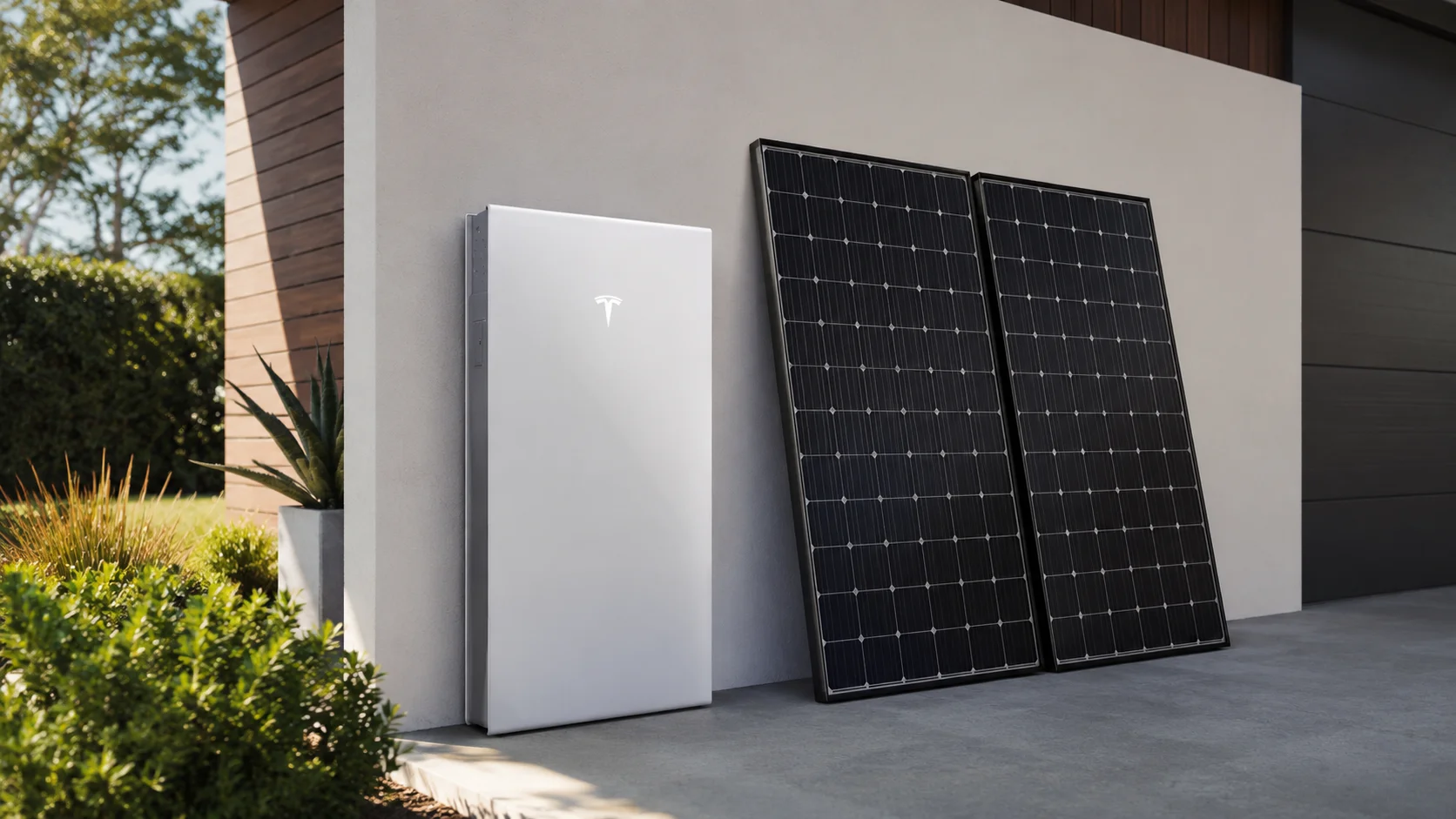
By incorporating a residential battery such as the Tesla Powerwall, the energy generated during the day can be stored for use when it is truly needed, offering greater flexibility, efficiency, and control.
Understanding how both systems work together helps homeowners make the most of the benefits of solar energy.
1. Panels Produce Energy. The Battery Stores It.
Solar panels generate electricity while receiving solar radiation, mainly during the hours of greatest intensity during the day.
In many cases, energy production exceeds the home’s immediate consumption.
A residential battery makes it possible to store part of that energy for later use, instead of relying completely on the electrical grid when solar production is no longer available.
2. Energy Can Be Used When It Is Needed Most.
In many homes, the highest electricity consumption occurs in the afternoon and evening, when people return home and start using air conditioning, the kitchen, lighting, and other appliances.
With stored energy available, the home can use part of that electricity during those periods, making better use of the energy previously generated by the solar panels.
3. Greater Backup During Power Outages.
Solar panels alone cannot always supply energy to the home during a blackout.
When the system includes a compatible battery, it is possible to keep certain essential equipment operating while the electrical grid is restored, depending on the installed configuration.
This provides a greater sense of continuity and preparedness during unexpected interruptions.
4. The Energy Produced Is Used More Efficiently.
Every kilowatt generated by a solar system represents an opportunity to reduce dependence on the electrical grid.
By storing part of the energy that is not consumed immediately, a battery helps use a greater proportion of the electricity produced by the panels.
This makes it possible to get more value from the installed solar system.
5. More Control Over Energy Consumption.
Modern storage solutions make it possible to monitor energy production, storage, and consumption from a single platform.
This information makes it easier to understand how the home uses electricity and helps homeowners make more informed decisions to optimize daily consumption.
Access to this data represents an important advantage for those looking to manage their energy more efficiently.
A Solution That Works Together
Solar panels and a residential battery serve different but complementary functions.
While the panels produce clean energy during the day, the battery makes it possible to store it and use it when it is most convenient.
Together, they form a system that offers greater flexibility, better use of the energy generated, and a more complete energy experience for the home.
Conclusion
Residential energy continues to evolve.
Today, more and more homeowners are not only looking to produce electricity through solar panels, but also to manage it more efficiently.
Combining a solar system with a battery such as the Tesla Powerwall makes it possible to better use the energy generated, have backup during certain situations, and gain greater control over household consumption.
Understanding how both systems work together is an important step for those who want to make the most of their solar energy investment and prepare for the energy needs of the future.