

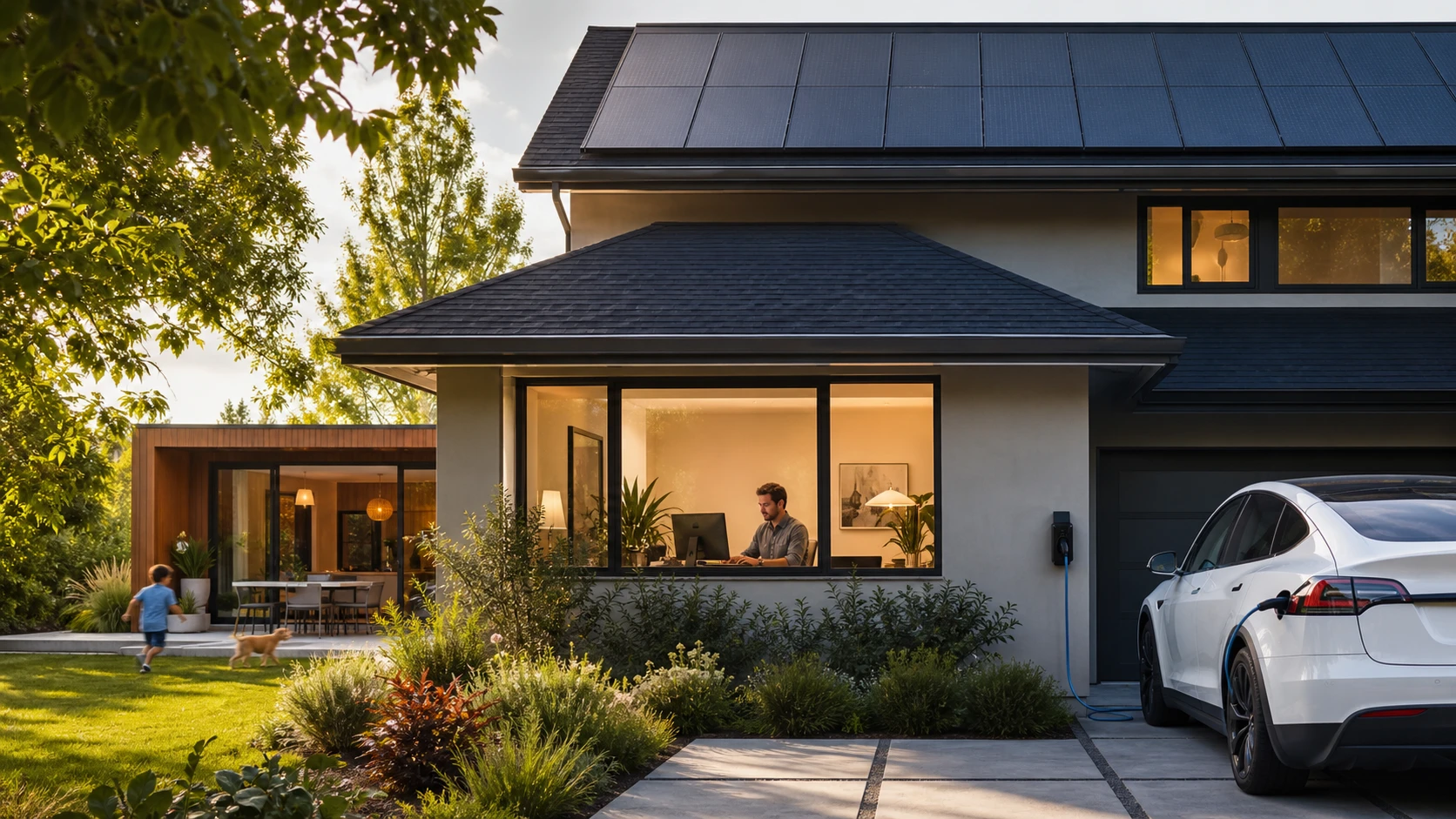
A home’s energy needs rarely remain the same over the years.
As lifestyles evolve, new electrical devices are added, or families grow, electricity demand often increases as well.
Understanding how these needs change over time can help homeowners make more informed decisions when planning long-term energy solutions.
1. Energy Consumption Increases
Over time, many households add new appliances, electronic devices, or equipment that require electricity to operate.
Each new addition can contribute to higher daily energy consumption.
For this reason, it’s important to consider not only today’s energy needs but also how they may evolve in the future.
2. Daily Energy Habits Change
The way people use electricity also changes over time.
Working from home, changes in daily schedules, or spending more time at home can all affect when and how electricity is consumed.
These shifts can influence a home’s overall energy profile and future energy requirements.
3. The Home May Expand
Many homeowners renovate their homes or add new living spaces over the years.
Additional rooms, home offices, entertainment areas, or new electrical equipment can increase the home’s overall energy demand.
Planning for future growth can help ensure an energy solution continues to meet the home’s needs.
4. New Technologies Become Part of Everyday Life
Homes continue to adopt new technologies, including electric vehicle chargers, smart home devices, advanced heating and cooling systems, and other connected equipment.
These innovations can significantly change a home’s energy requirements.
Preparing for these changes can make future upgrades easier.
5. Priorities Evolve
A family’s energy priorities often change over time.
Some homeowners may initially want backup power for essential appliances, while later they may seek greater energy independence or better use of available energy.
As household needs evolve, so do the goals for an energy storage system.
Planning for the Future Is Part of the Process
Designing an energy solution is about more than meeting today’s needs.
It also involves considering how the home may change over time and whether the selected solution can adapt to those changes.
A long-term perspective supports smarter and more flexible energy planning.
Conclusion
A home’s energy needs evolve as the property, technology, and the people living in it change over time.
Understanding this evolution helps homeowners plan with greater confidence and consider solutions that can continue supporting their needs well into the future.
Because preparing for tomorrow’s energy needs begins with understanding today’s.