

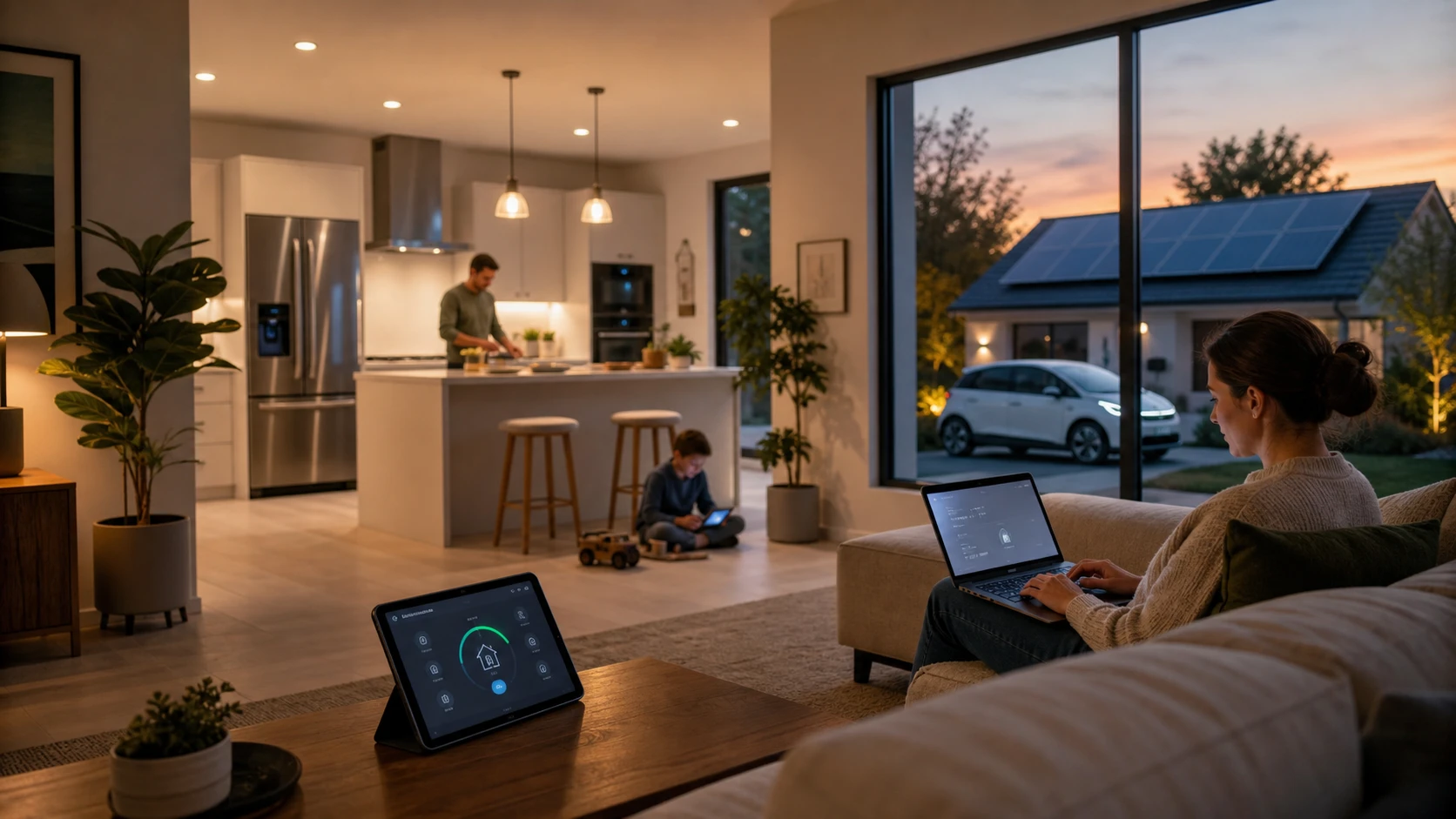
Energy is part of everyday life.
We rely on it to light our homes, prepare meals, cool and heat our living spaces, and power dozens of devices.
However, many of the terms related to electricity and home energy can be confusing.
Understanding a few basic concepts can help you better understand how your home works and make more informed energy decisions.
1. Energy consumption
Energy consumption refers to the amount of electricity your home uses over a specific period of time.
Every household has different energy needs depending on the number of occupants, daily routines, and the appliances and devices being used.
Understanding this concept is the first step toward better energy awareness.
2. Peak energy usage
Electricity isn’t used evenly throughout the day.
In many homes, energy demand increases during the morning or evening, when several appliances and devices are operating at the same time.
Recognizing these peak usage periods can help homeowners better understand their household’s energy patterns.
3. Electrical power
Electrical power describes the rate at which a device uses electricity at a given moment.
Although it is often confused with energy consumption, the two concepts are different.
Power measures a device’s instantaneous demand, while energy consumption refers to the total amount of electricity used over time.
Understanding the difference helps homeowners better interpret how electrical systems work.
4. Energy efficiency
Energy efficiency means achieving the same result while using less energy.
LED lighting, energy-efficient appliances, and smart energy habits are all examples of ways to improve efficiency at home.
Being energy efficient isn’t simply about using less electricity.
It’s about making better use of the energy you have.
5. Energy demand
A home’s energy needs naturally change over time.
Adding new appliances, purchasing an electric vehicle, installing smart home technology, or changes in family routines can all increase electricity demand.
Understanding this concept helps homeowners better prepare for their future energy needs.
Knowledge is part of making smarter decisions
You don’t need to be an energy expert to better understand your home’s electricity use.
Learning a few key concepts makes it easier to interpret your household’s energy consumption, identify opportunities for improvement, and make more informed decisions.
Energy education is an important step toward building a more efficient and better-prepared home.
Conclusion
Understanding concepts such as energy consumption, electrical power, energy efficiency, demand, and usage patterns provides a clearer picture of how your home’s energy system works.
Because the more you understand your home’s energy, the better prepared you’ll be to make smart decisions today and in the future.